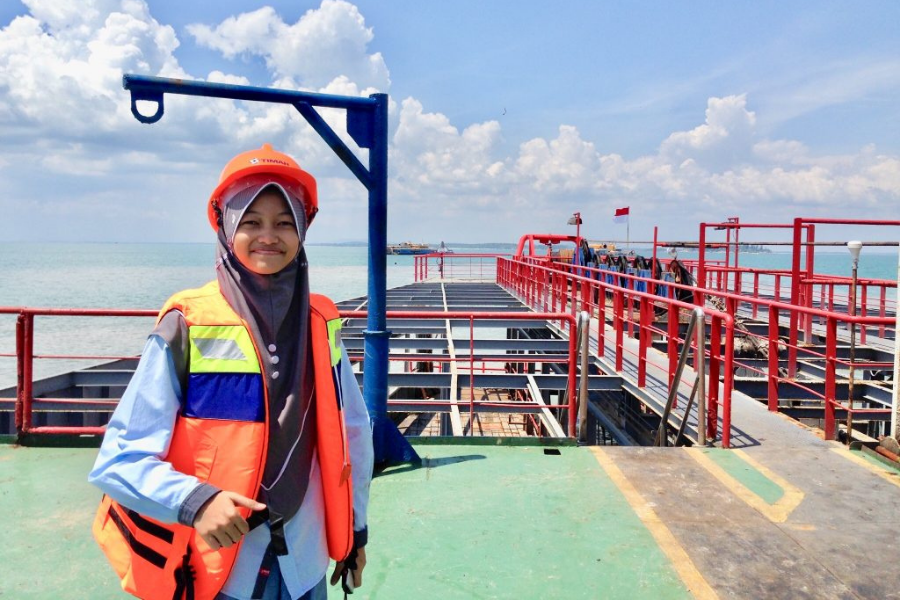
For decades, tin mining activities in Bangka Island, Indonesia, have contributed significantly to environmental degradation and water contamination. Many communities living near former mining areas continue to face serious challenges accessing safe and clean water for daily use. In response to this issue, young engineer Nuha Anfaresi began developing sustainable water treatment solutions designed specifically for affected communities.
The initiative started after observing how mining waste and damaged ecosystems negatively impacted water quality and public health in several regions of Bangka. Families often relied on unsafe water sources for drinking, cooking, and household activities, increasing the risk of waterborne diseases and long-term environmental problems.
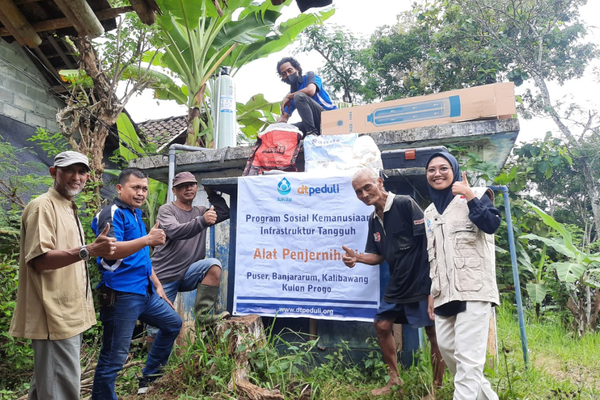
Determined to find practical solutions, Nuha combined engineering research with community-based implementation strategies. The project focused on developing affordable water filtration and purification systems that could operate effectively in rural and low-resource settings. Rather than relying solely on external support, local communities were actively involved throughout the process to ensure sustainability and long-term maintenance.
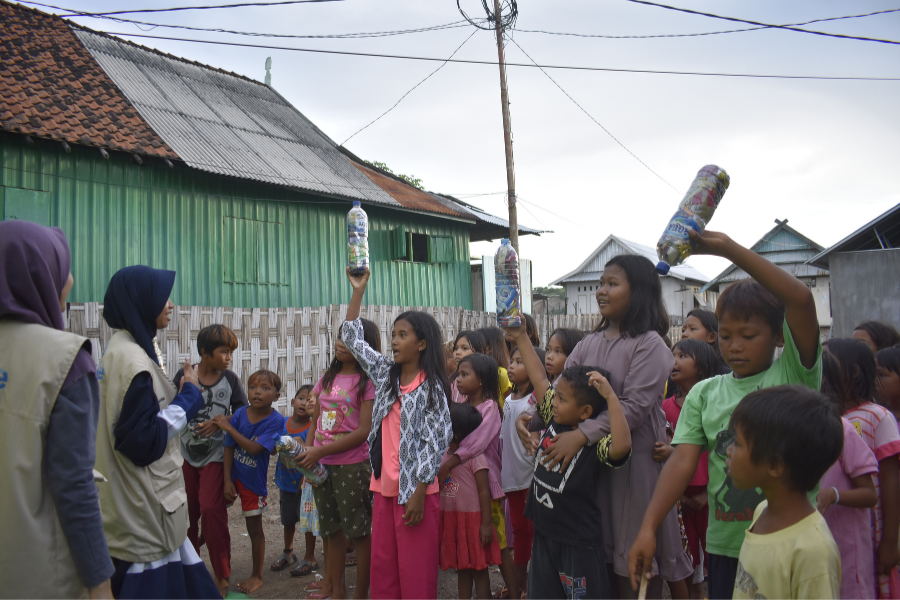
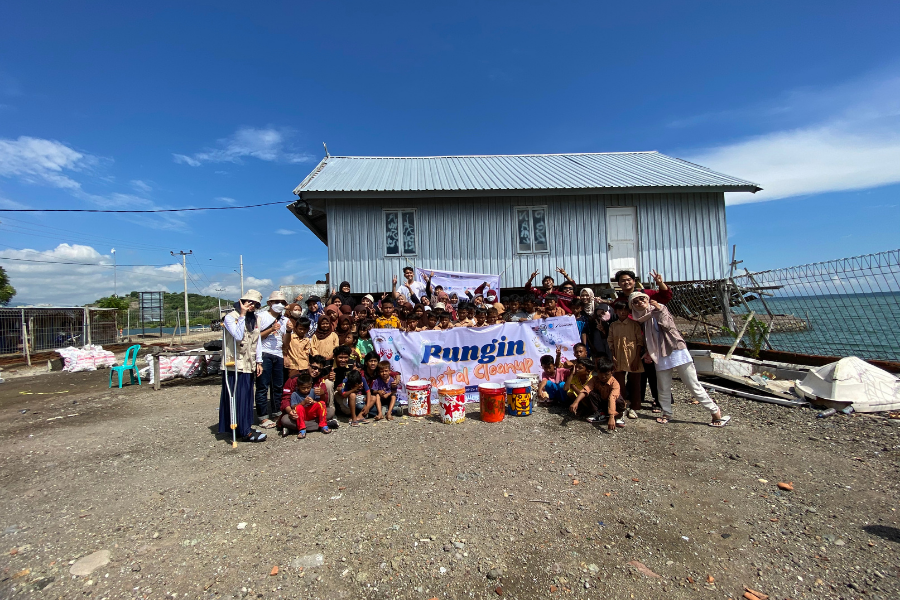
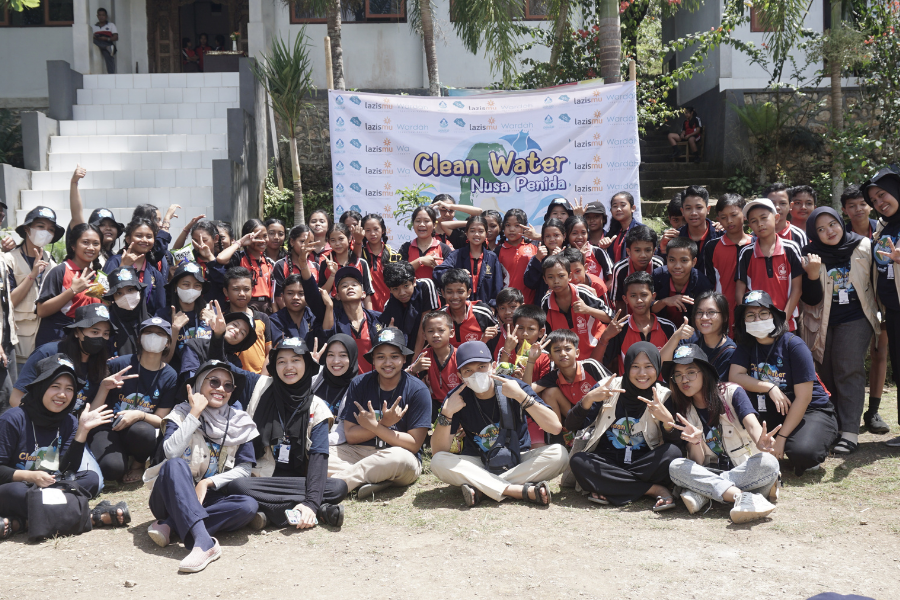
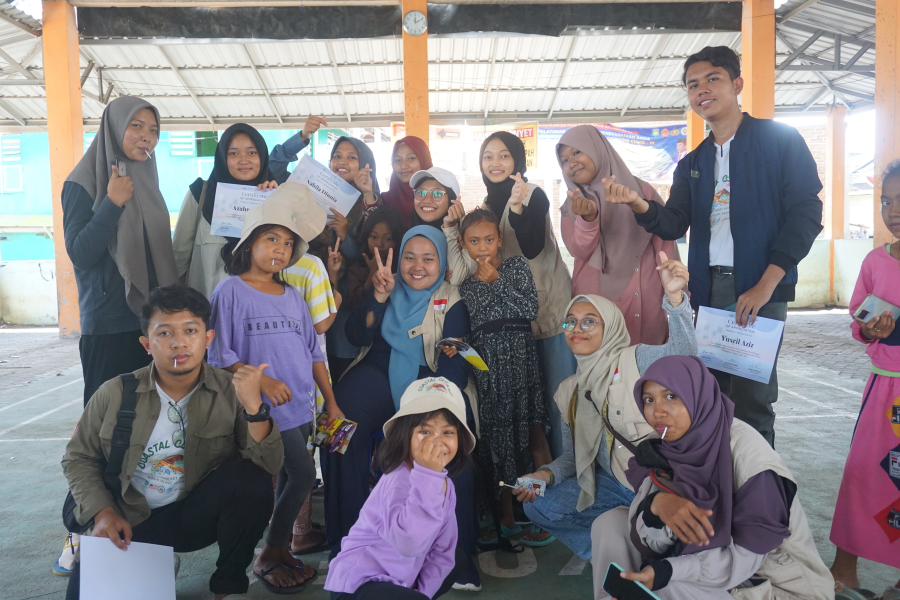
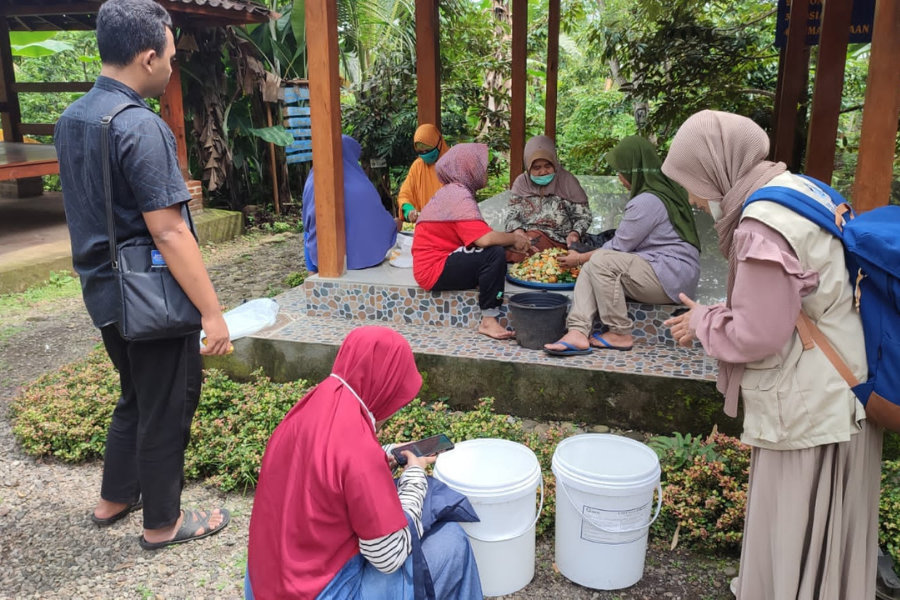
Educational outreach also became an important part of the initiative. Community members participated in discussions and training sessions about water hygiene, environmental protection, and sustainable resource management. These activities helped increase awareness about the importance of clean water and encouraged residents to take part in protecting their local environment.
The project gained international attention because it demonstrated how youth innovation can address environmental challenges through practical and socially responsible solutions. By transforming the environmental legacy of tin mining into opportunities for community development, the initiative showed how engineering can create positive social impact.
Today, the project continues to inspire young environmental leaders and social entrepreneurs worldwide. It highlights the importance of combining science, sustainability, and community participation to solve complex environmental problems. Most importantly, it demonstrates how local innovation can improve access to clean water and create healthier futures for communities affected by environmental damage.